Should I Buy Breathe of the Wild Again on the Switch
Is Zelda on Switch worth the upgrade from Wii U?
UPDATED: Switch wins out in GPU-focused stress tests.
UPDATE 8/3/17 ten:30am: As promised, we've spent a couple more days getting to grips with the performance profile of The Legend of Zelda: Breath of the Wild on both Switch and Wii U, and while it'southward nevertheless hard to justify investing so much money in a new console only for ane title, what'southward articulate is that aspects of the game that truly stress the GPU can see significant functioning advantages for the Switch championship - whether you're docked or using the console as a portable.
We identified several points in the game where the graphics hardware is likely to exist put nether stress - big explosions while Link indulges in combat, forth with the area of the title nosotros had the almost requests for testing: Kakariko Village. The sometime sees the Wii U hardware buckle considerably under the load, while the Switch but sees minor disturbances to its frame-charge per unit - information technology's not really a big issue for gameplay, as the performance drop is fleeting.
However, what's interesting to note is that handheld performance is actually slightly lower compared to the docked experience in these flashpoints. This is actually a reversal of the situation plant during open globe traversal, where a docked Switch has a clearly stutters in a much more than pronounced way in certain areas - presumably when new terrain data is being streamed in.
Simply it's the Kakariko Village stress test that really separates Switch and Wii U - here, Nintendo's concluding-gen platform can lock to 20fps, while the docked Switch stays much closer to its target 30fps frame-rate with less impactful deviations. This is something yous'll encounter in both Switch configurations and is by the the biggest dividing indicate betwixt the two versions from a operation perspective. Combat in villages is minimal to not-existent by all accounts, so the drop in frame-rate hither shouldn't be too impactful on gameplay.
Ultimately, getting a complete lock on Zelda performance is challenging - the world is vast and the atmospheric condition are ever-irresolute. Drops to 20fps can be offputting, but in our experience very rarely go far the way of actual gameplay. Simply what'southward articulate is that there are three performance tiers here - Wii U still plays well, but it is at the bottom of the pile. The docked Switch configuration follows, but playing untethered notwithstanding offers the smoothest ride overall.
Original story: The Legend of Zelda: Jiff of the Wild is a cross-generational title for Nintendo, released simultaneously on both the discontinued Wii U and the new Switch. Lauded equally one of the greatest games of all-time, it's a must play, but the question is this: is it worth upgrading from the Wii U to savor a better Zelda experience on Switch? Or can you hold fire on a Switch purchase, safety in the knowledge that the Wii U version offers a comparable feel?
It's worth stressing that these are early results, expedited in order to offer an initial, general overview of the differences between both versions, each updated with the 1.1 day one patch. Going in, we didn't expect to come across too much in the way of visual differences. Everything we've seen so far of the Switch hardware suggests that it'south capable of handing in experiences very much of the Wii U generation, and on peak of that, Nintendo has explicitly stated what nosotros should wait to see in terms of differences between the two platforms.
Here's the total low-down from the platform holder:
- Both have a frame-charge per unit of 30fps.
- Both versions of the game offer the same content.
- On a Tv set, the Nintendo Switch version of the game renders in 900p while the Wii U version renders in 720p.
- The Nintendo Switch version has college-quality environmental sounds. As a consequence, the audio of steps, h2o, grass, etc. are more than realistic and heighten the game's Open up-Air feel.
- The physical copy of the Wii U version will require 3GB of bachelor memory on the Wii U system or an external drive.
- Some icons, such as onscreen buttons, differ between the two versions.
- A Special Edition and Chief Edition of the Wii U version are not available.
Previously, serial producer Eiji Aonuma had stated that the Switch edition would offering the "aforementioned experience" as the Wii U version, something nosotros were eager to put to the test, especially in the wake of the lacklustre functioning we saw at E3 last year.
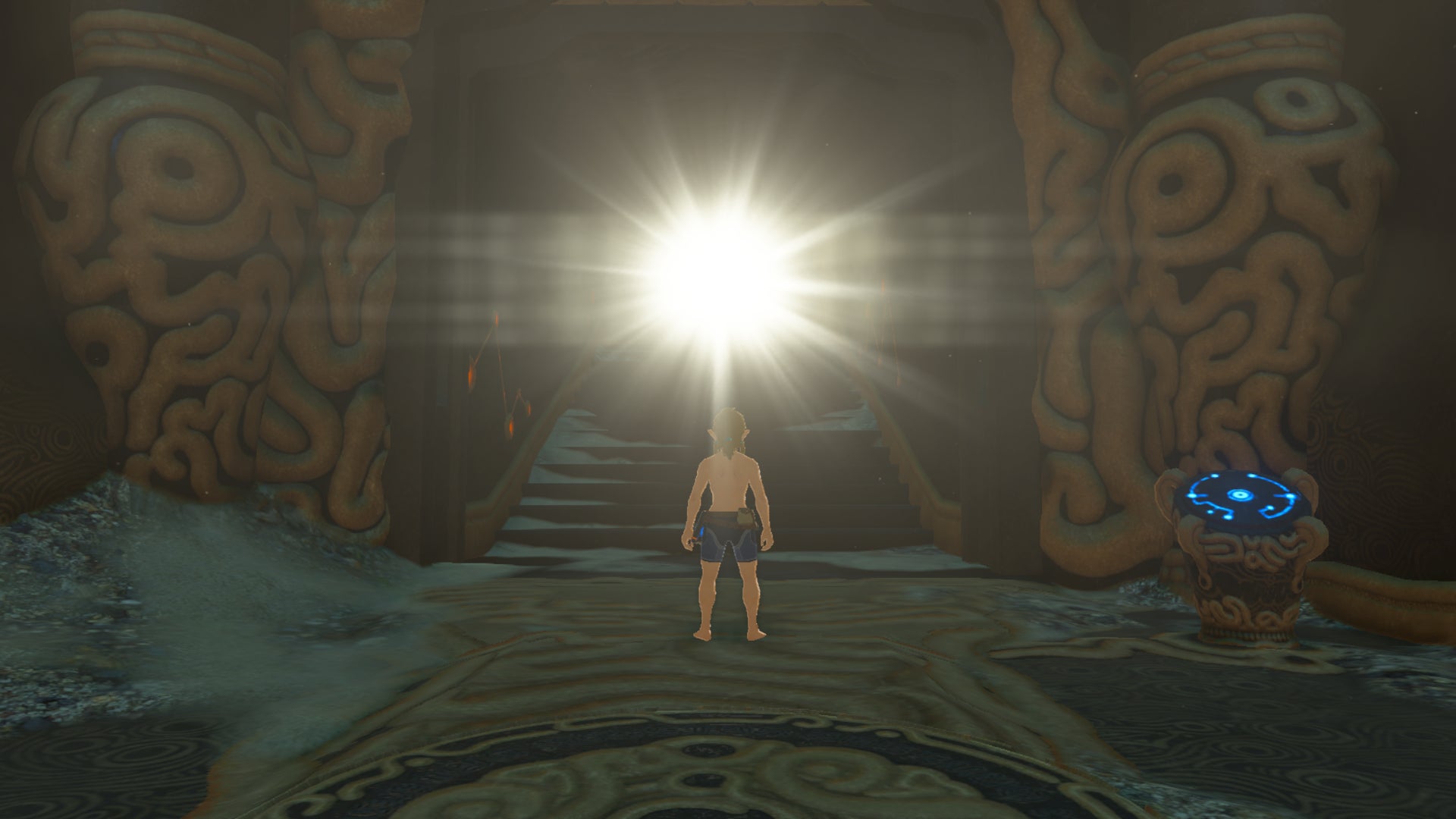
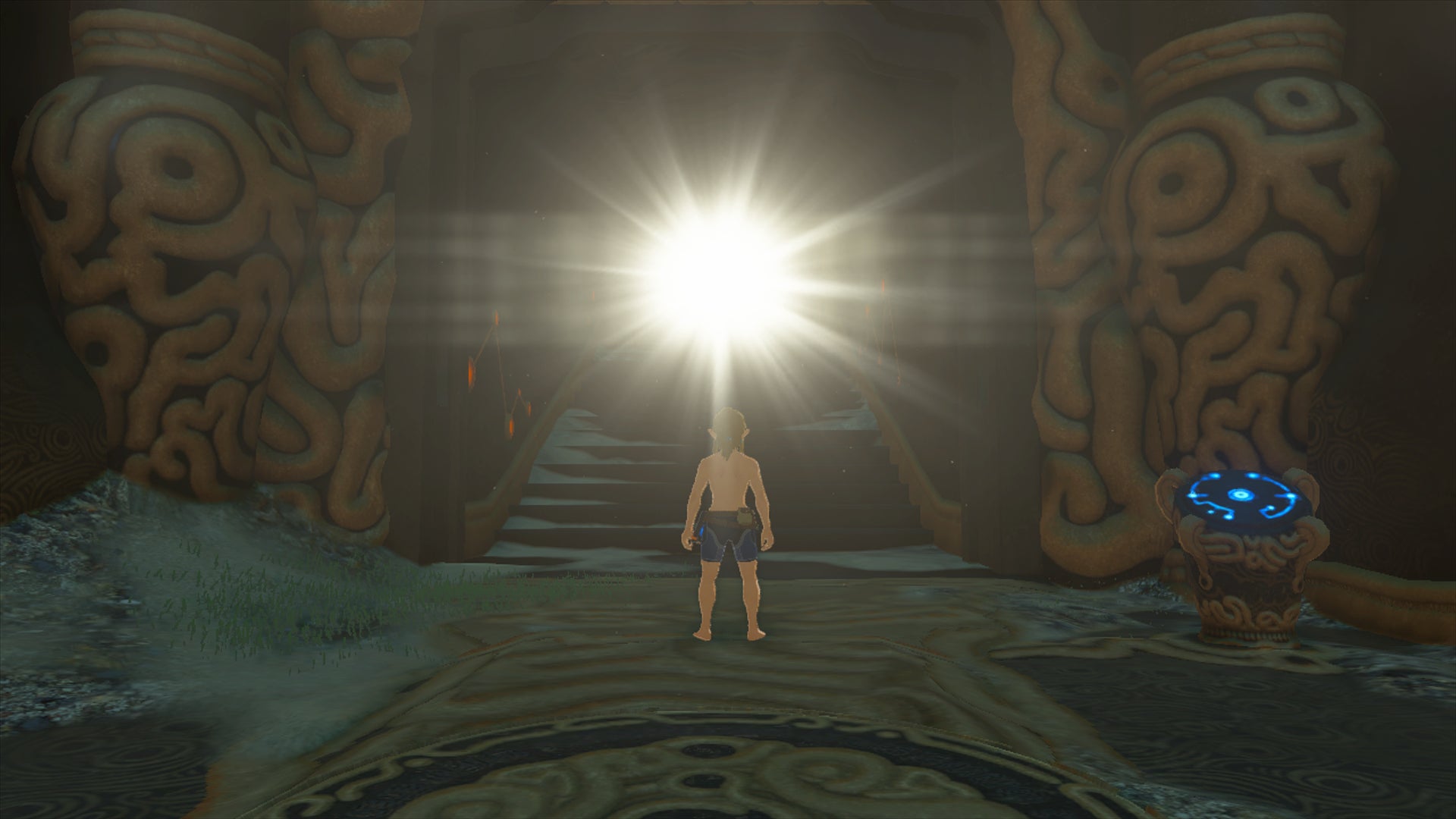
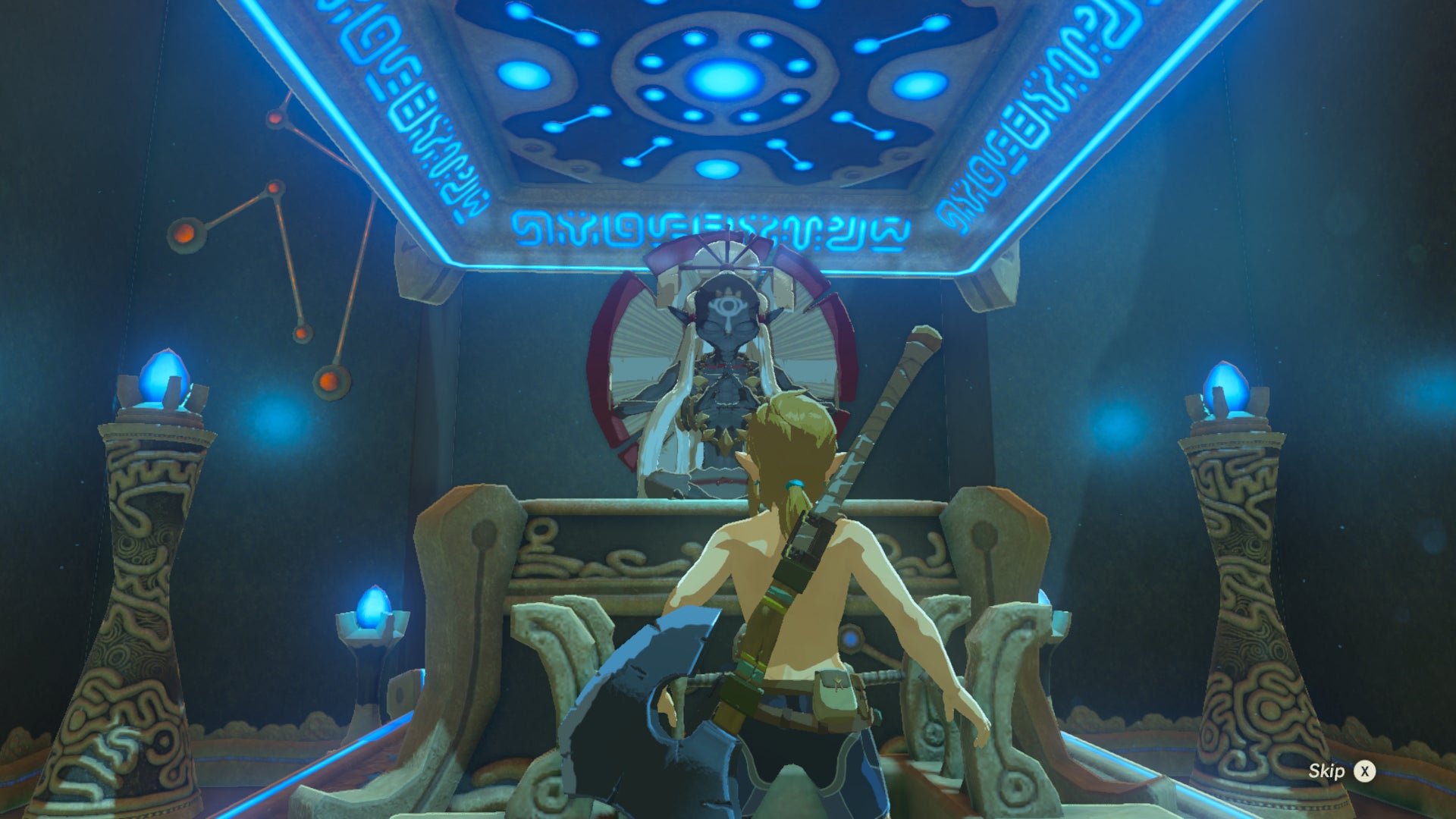
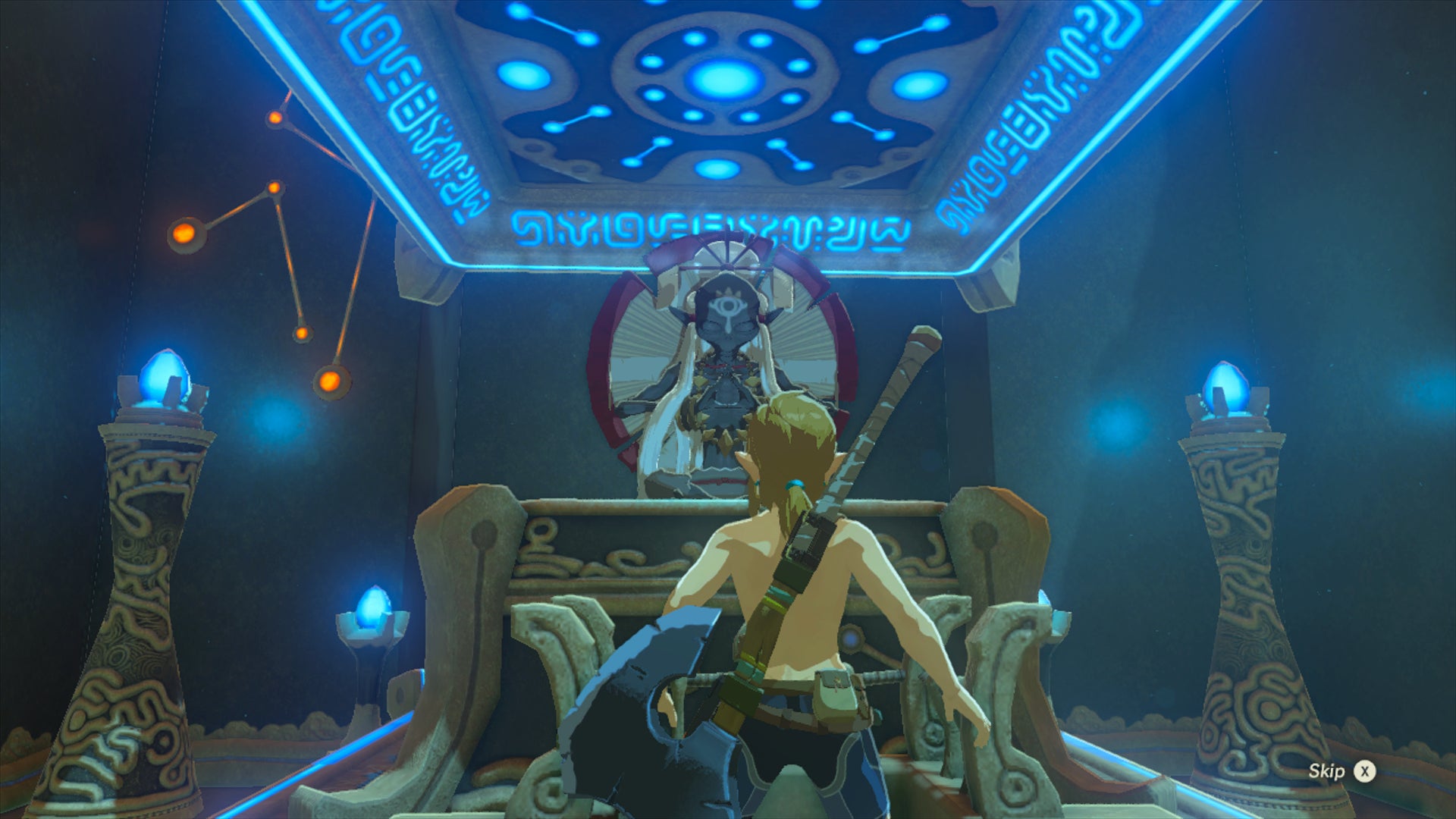
We've already confirmed the resolution differential between Wii U and Switch, and it's also fair to say that in nearly every other respect, the visual make-up of both games is identical. Draw distances, shadow resolution, model quality, texturing, effects, and even the thick, volumetric lighting seen in the commencement shrine are all exactly the same. In a core visual sense, Wii U owners really aren't missing out at all. As well resolution, each version turns in nearly-on identical graphics settings.
There is one small difference worth mentioning, and that'south texture filtering. On Switch, yous get a very slight comeback in bilinear filtering quality, meaning textures aren't filtered and then close to your screen. If you look close, yous tin can spot lines passing beyond mapping on the floor - especially circuitous brickwork. Now again, Wii U and Switch utilise obvious cascades, making it easy to see the betoken whatever filtering kicks in as you walk forwards. Simply Switch does get an extra 'band' of clarity in the texture-work, before a similar drop-off in quality. Wii U is basically in line with Switch'south portable mode in this sense, but to exist frank, you won't observe any real difference in motion.
Nintendo's hope of higher audio quality on Switch turns out to have only the well-nigh minimal of impact. Whether that'south running h2o, footsteps or swaying grass, the idea is that Switch can tap into its 2x boost to system retentivity in lodge to support a richer soundscape. But overall, having spent the 24-hour interval comparing both with closed-cup headphones on, it proved difficult to hear any difference at all. For those using audiophile grade monitors, or loftier-cease surround set-ups, perhaps the Switch's college quality could smoothen through. But for most players, the Wii U version'south sound isn't falling brusque in any radical way.
On residuum, based on video and sound quality, the Switch version is the one to buy. Just it'due south the narrowest of victories, with resolution the key differentiating gene. The improvements are surprisingly minor given the gulf in potential organization ability comparison the Wii U to a docked Switch, but there's a very compelling statement for Nintendo to make the game as shut as possible on both systems - Wii U owners shouldn't be disadvantaged, while the title itself obviously has the quality to make Switch's debut polish.
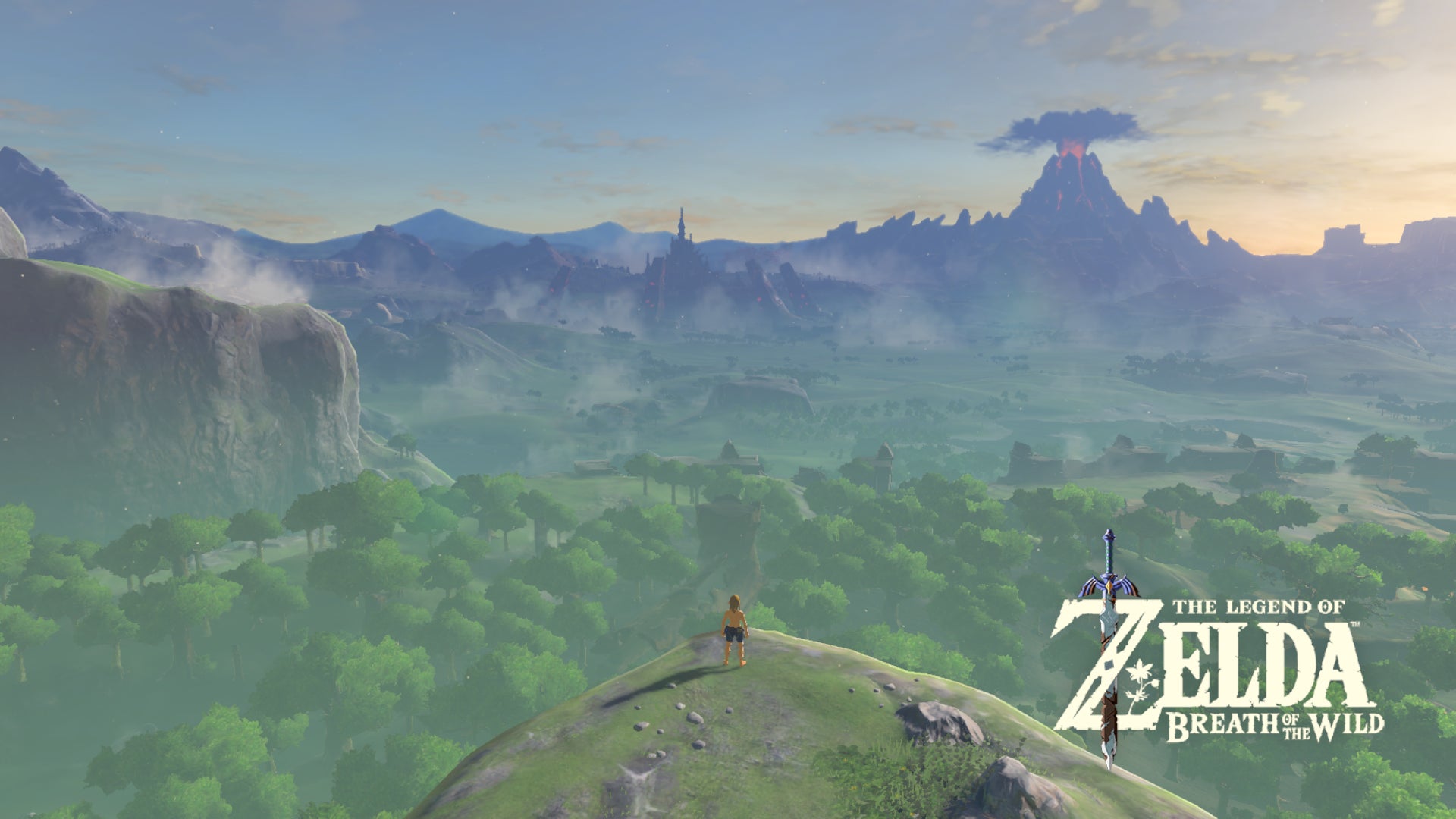
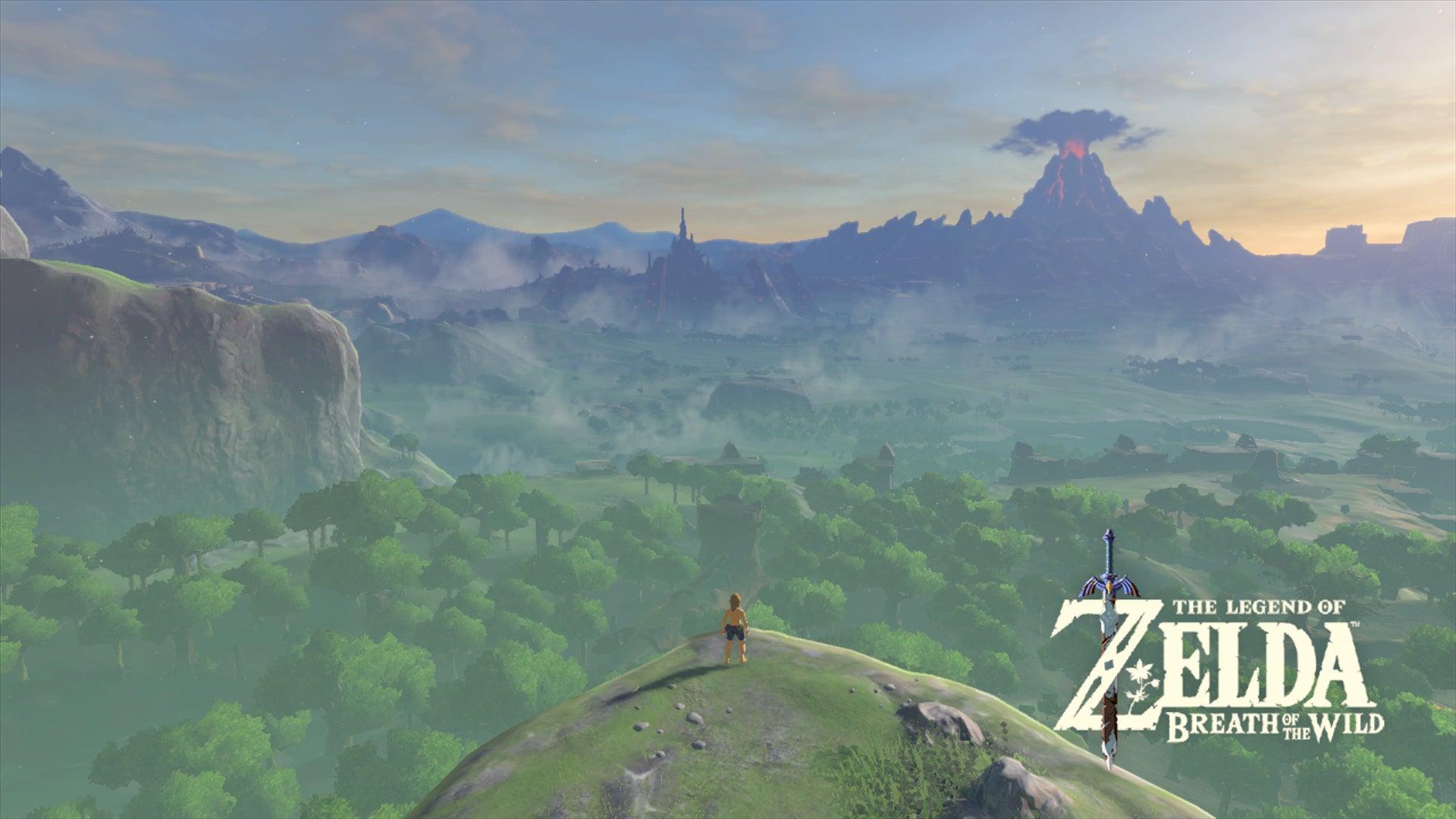

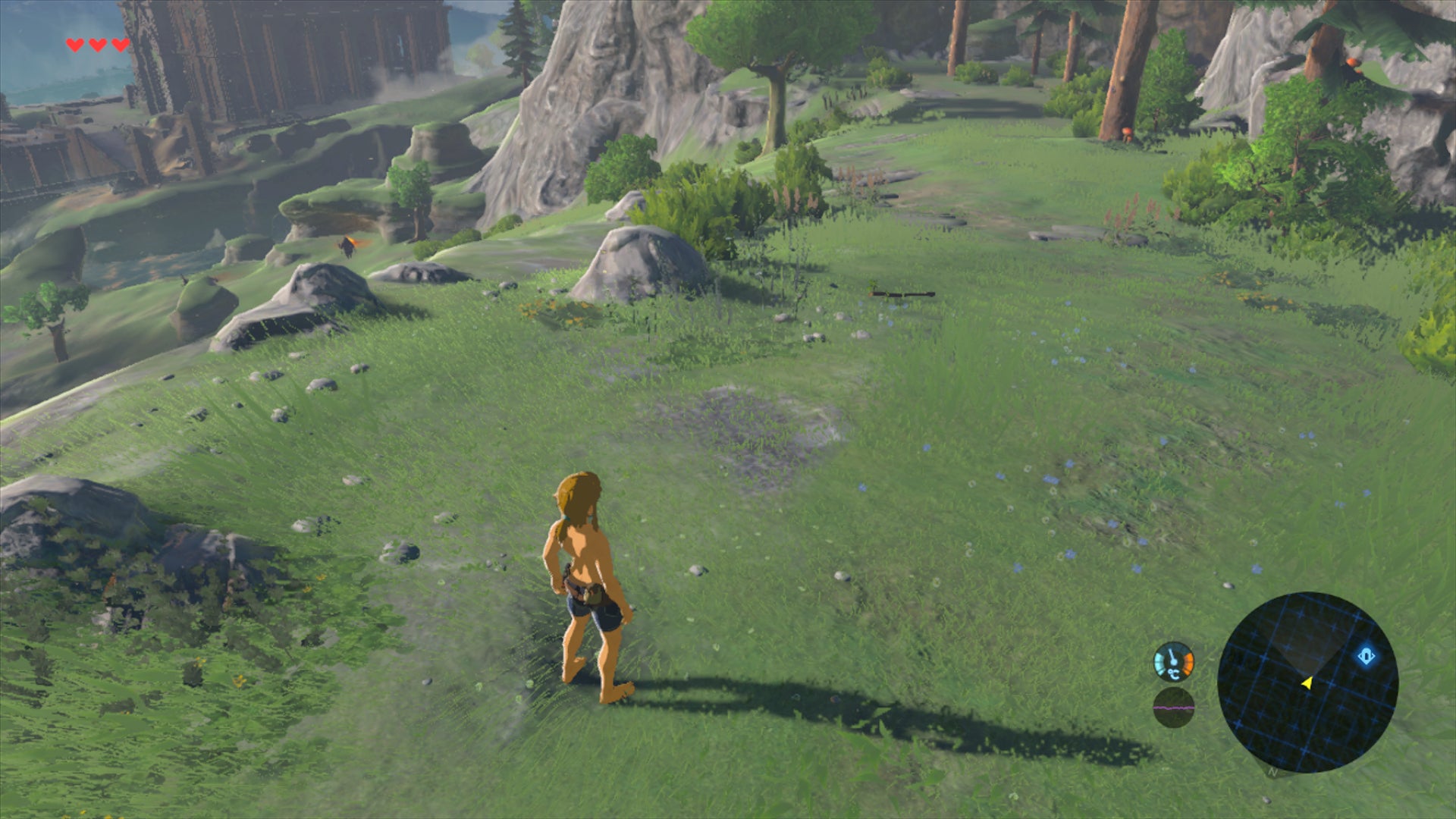
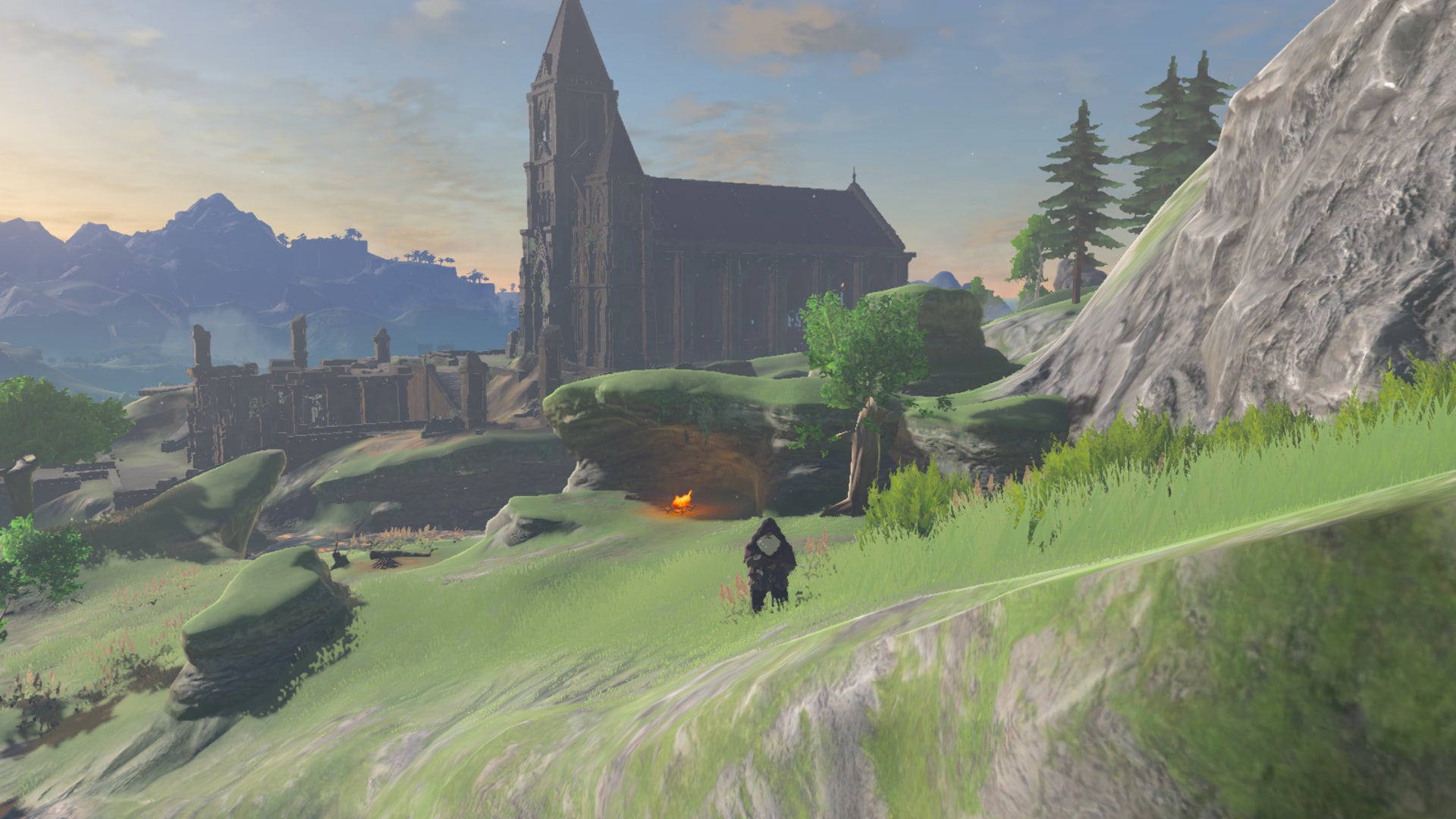
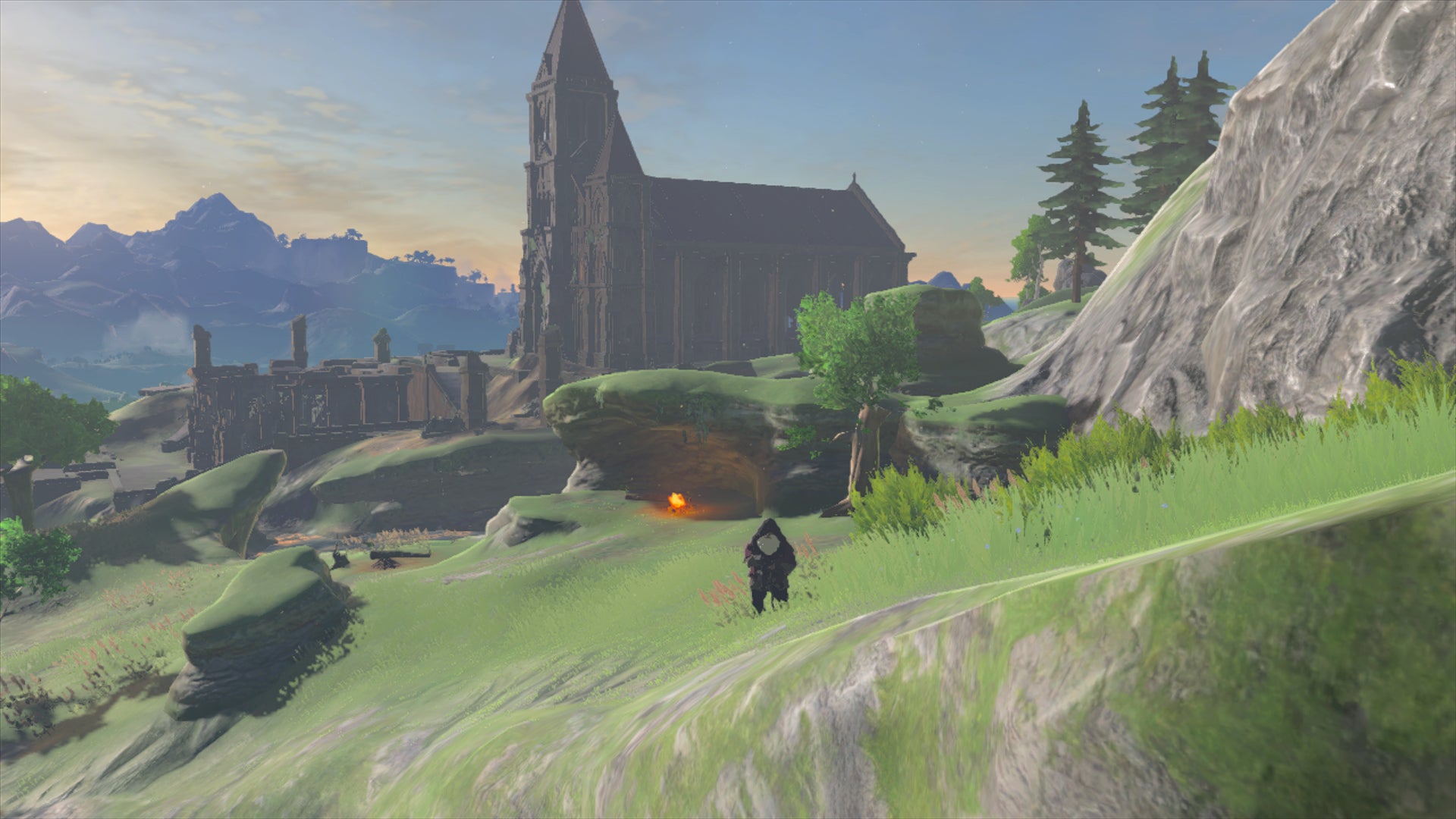
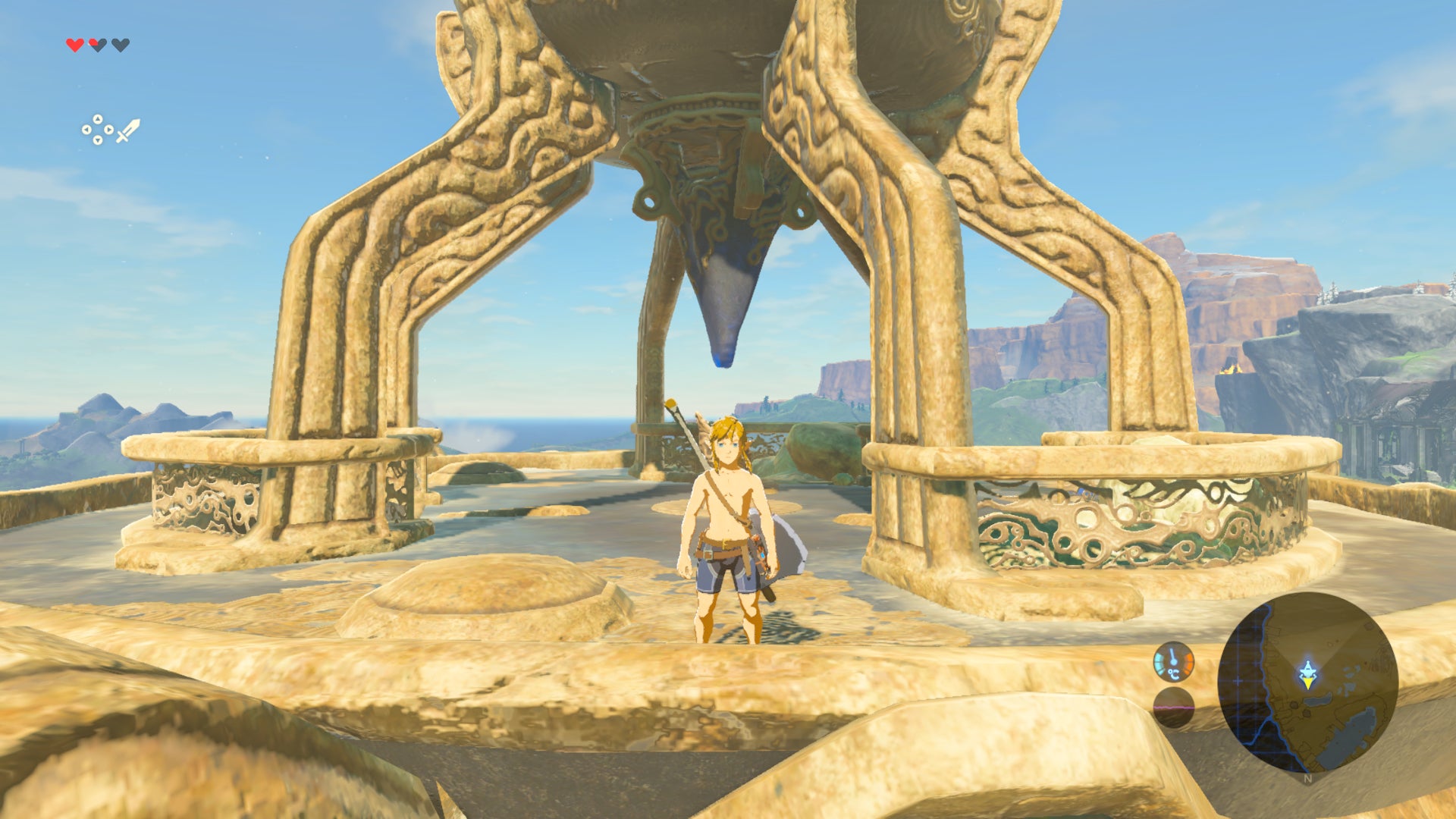
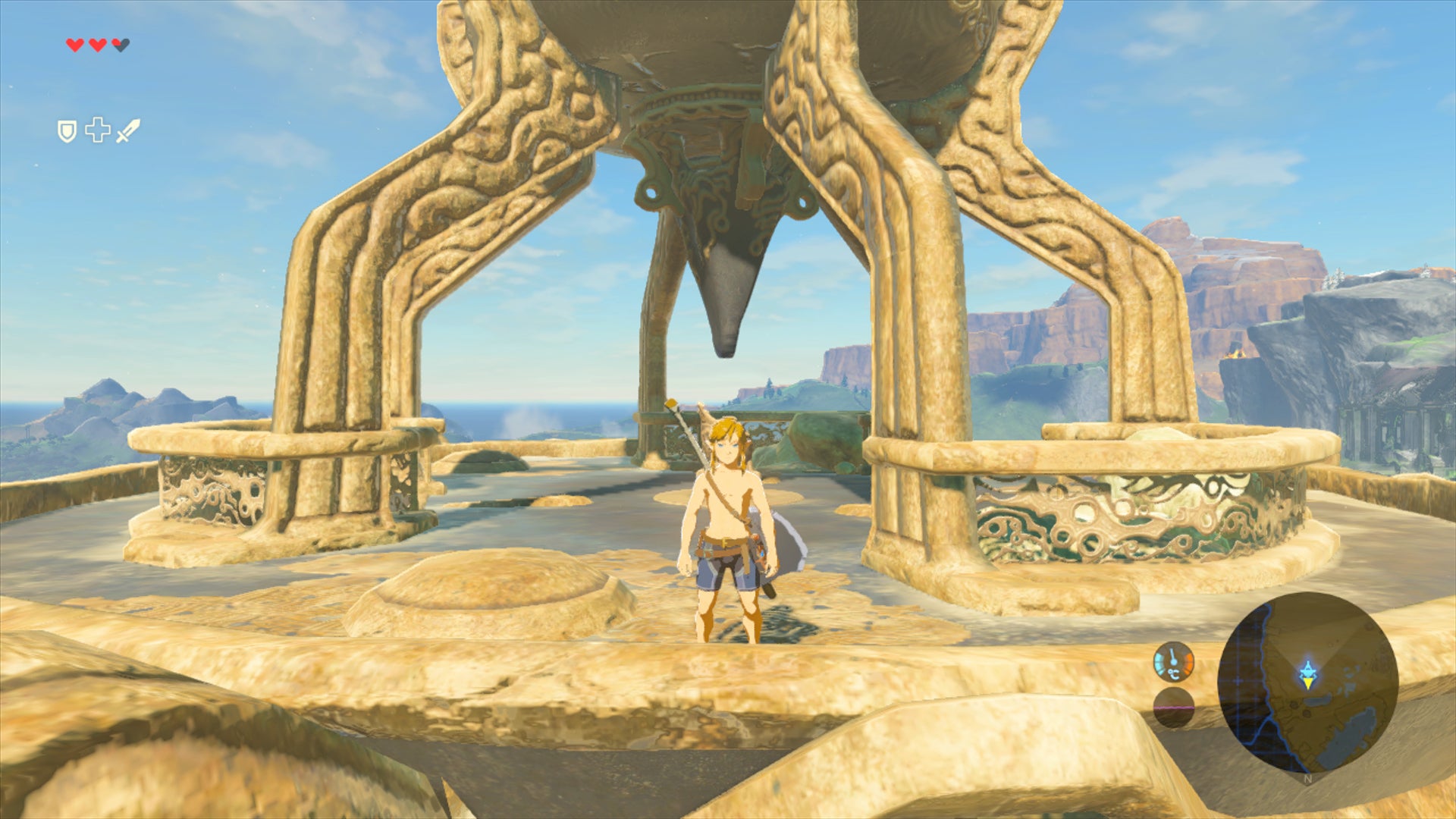
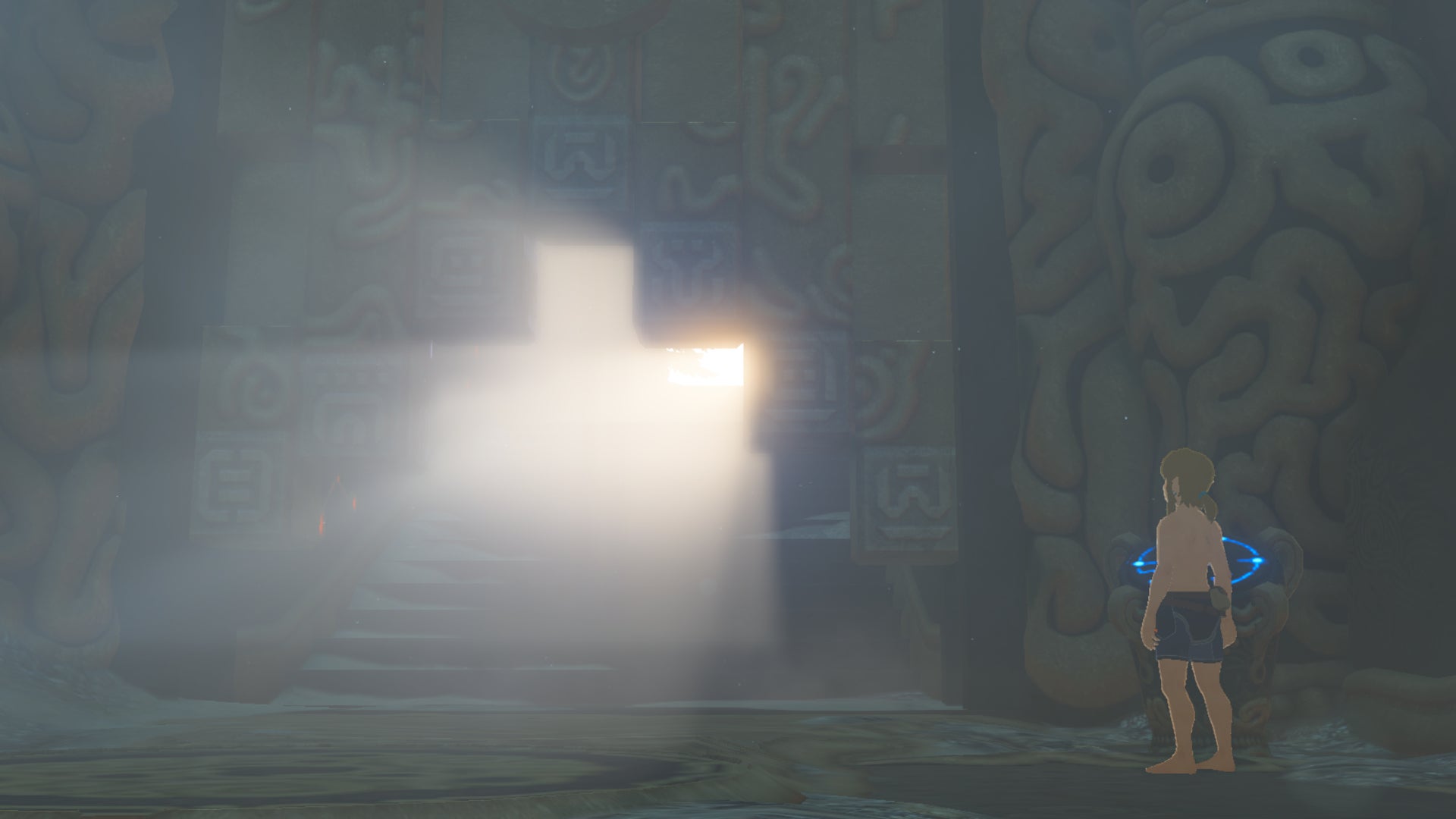
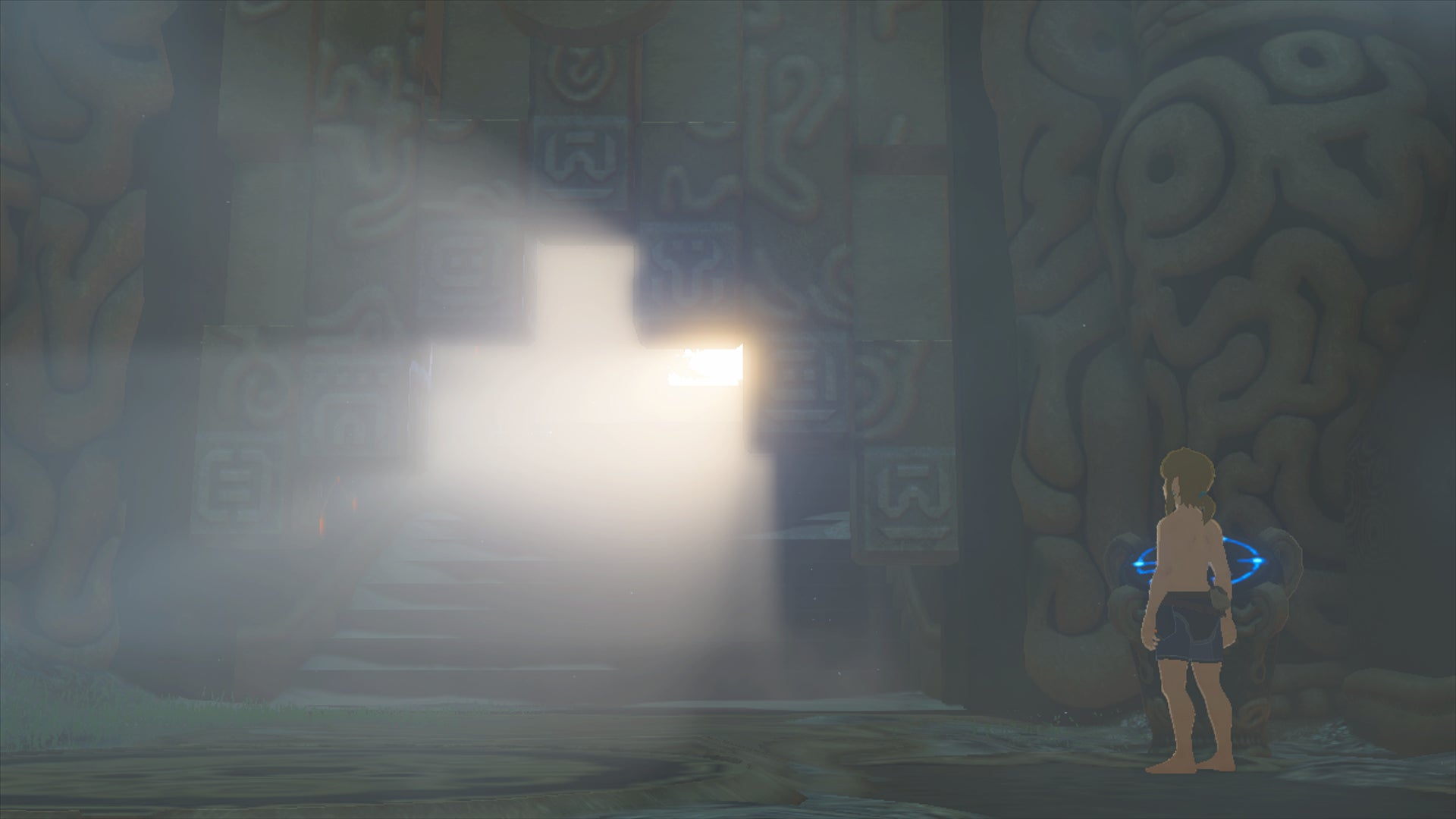
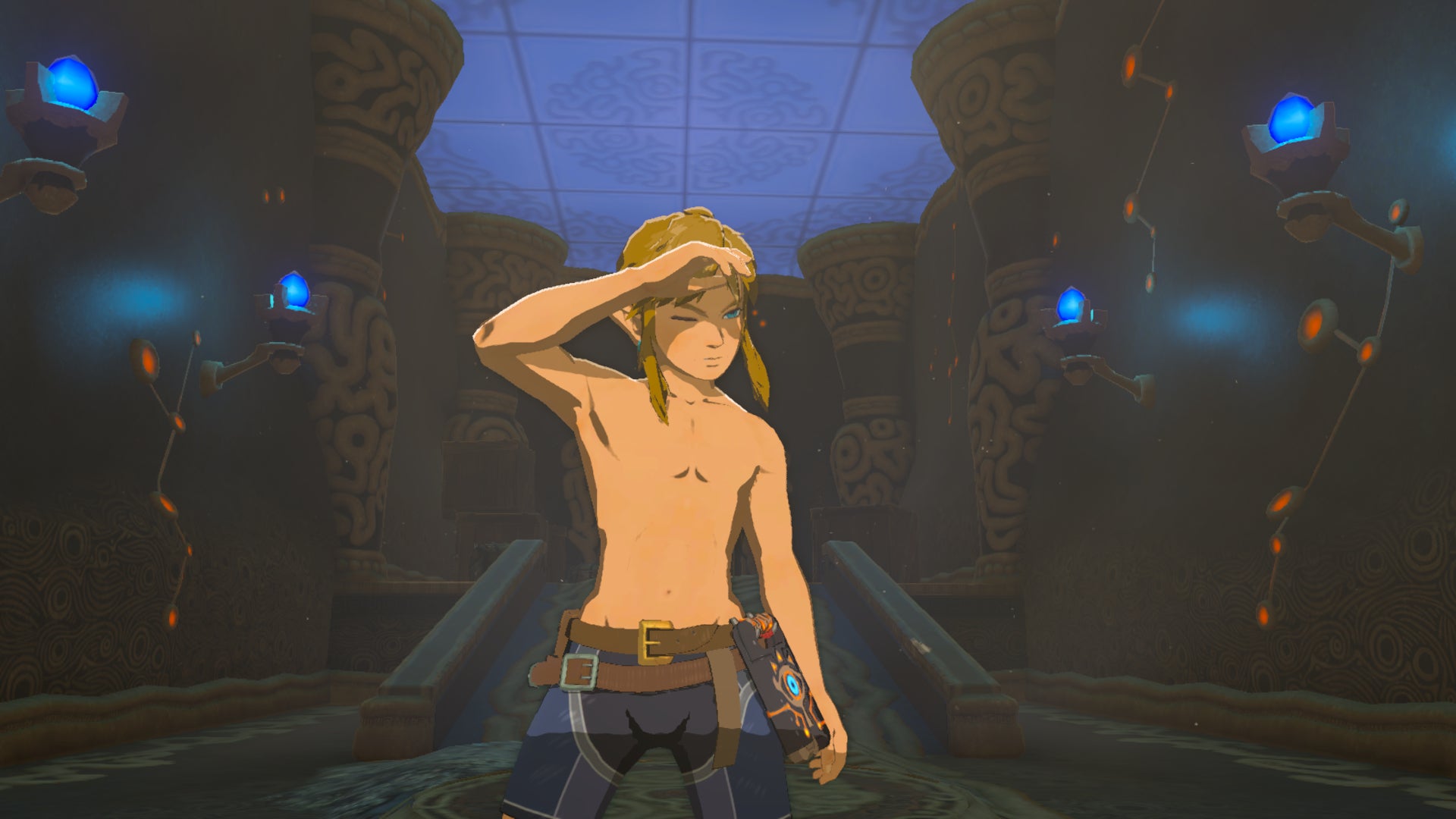
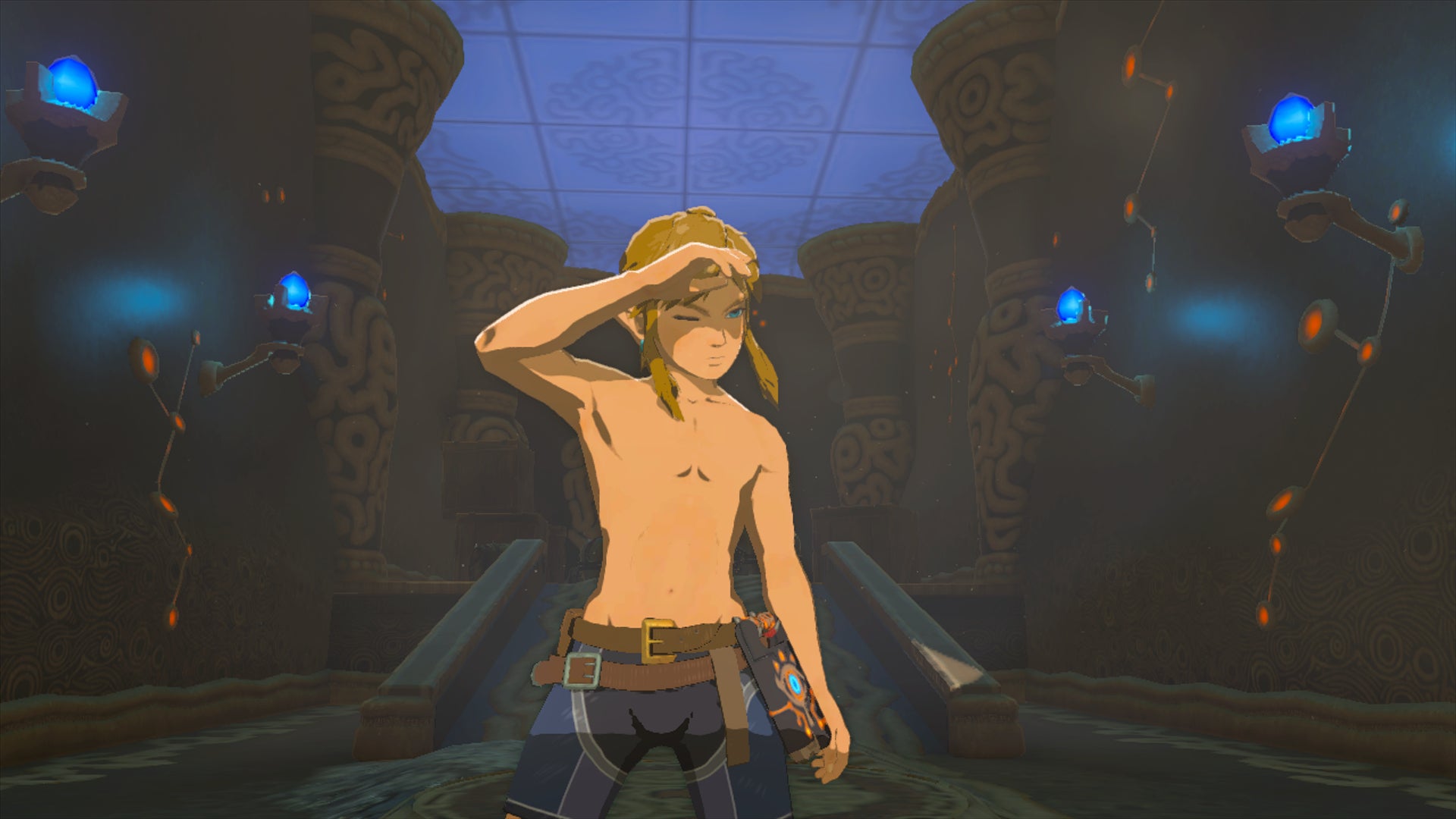
However, while visual features are effectively a match, nosotros should await improve performance on more modern hardware. Of course, Breath of the Wild has been in development for well over iv years and its systems-based open-earth engine was first built for Wii U hardware. A conversion to Switch happened much later - a different architecture entirely, which may have posed development challenges.
Nosotros're going to be comparison the docked Switch experience to Wii U here, but earlier nosotros practice that, let'southward be articulate - as we revealed yesterday, the handheld 720p Switch implementation offers up a smoother experience than the aforementioned code running in docked way. For those looking for the smoothest possible experience, that'south the way to become.
Even so, stacking upwards Switch as a home console in docked configuration upwardly against the Wii U offers up fascinating performance metrics. The basics first: Breath of the Wild targets a v-synced 30fps on Wii U and Switch, but that huge open earth design creates bug sustaining it. Considering this is a double-buffered class of v-sync, when it can't sustain 30fps on either panel, it drops to the next major cistron down, hard-locking to 20fps.
Remarkably, based on Great Plateau tests at to the lowest degree, Switch drops with the same severity as Wii U - but in other sections of the area. There are no obvious causes for this divide either: the rendering load is balmy compared to the game'south more built-up woodlands, suggesting a clogging behind the scenes in the background streaming of data. One theory here is the world is partitioned differently for each machine's RAM setup, creating lurches to 20fps in different spots for each device.
In other words, they tin each lock to 20fps - simply Switch consistently does information technology in one spot, while Wii U's problems are in other areas. CPU limitations are the obvious culprit here (with SoC bandwidth contention perhaps explaining why the undocked Switch mode runs more smoothly) but what's clear is that further testing will exist required to figure out whether GPU stress points evidence whatever further differentiation between the two consoles - Kakariko Village will exist our outset port of call, along with a more stringent tests of blastoff effects.
Nevertheless, in the here and now at least, based on these first tests, there is indeed a general parity in the feel between the docked Switch and the Wii U experiences - and information technology is a shame that in both cases, Zelda cannot run at a locked 30fps. Each version drops frames in similar circumstances but in different places.
It'll be fascinating to encounter if differences do plow up as we progress further into the game, merely these initial tests confirm that Wii U only loses out to Switch in terms of the raw pixel count - visual differences are at a minimum, and the game'southward visual make-upwards is most identical regardless of the system you lot choose to play it on. Performance requires farther testing, just again, there'south little to choose betwixt Wii U and a docked Switch based on what we've played thus far.
Switch'south ability to decouple from your HDTV, to play wherever you want, is by far and away the most tangible difference betwixt the two versions. The bear upon of this is far more profound than the smoother functioning the handheld version offers upward, based on our tests to date. Playing this championship anywhere at any time is an irresistible prospect, assuasive users to more tightly integrate gaming sessions into busy lifestyles. In decision, information technology's not so much the technical differences between each version of Zelda that should inform a potential Switch upgrade - it's more about whether yous purchase into the whole concept of the machine, and whether you're excited past the titles available.
Source: https://www.eurogamer.net/digitalfoundry-2017-the-legend-of-zelda-breath-of-the-wild-switch-vs-wii-u-face-off
0 Response to "Should I Buy Breathe of the Wild Again on the Switch"
Post a Comment